A Guide to Choosing the Right Roofing Style for Your Home
Table Of Contents
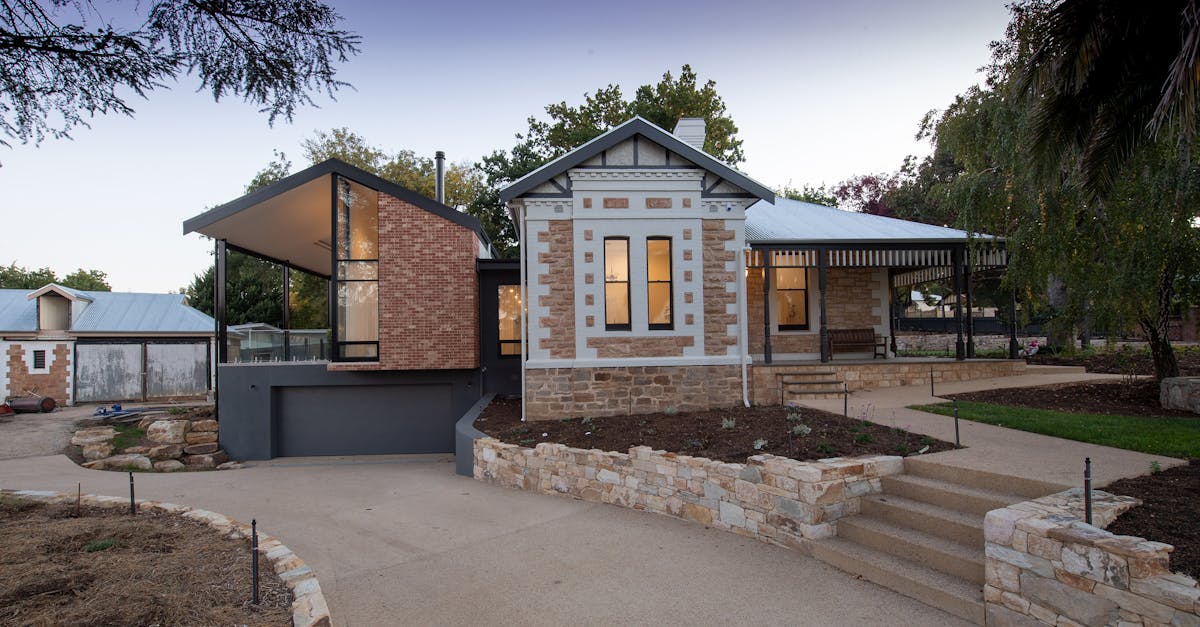
The Benefits of a Shed Roof
A shed roof is known for its simple and functional design, often featuring a single sloping plane. This style not only provides an aesthetic appeal but also allows for effective water drainage. With fewer materials required for construction, it can be a cost-effective solution. The straightforward nature of this roofing style makes it easier to install, reducing time and labour costs compared to more complex roof types.
Another advantage lies in its ability to maximise space. The design can create ample headspace in the upper levels of a home, allowing for large windows that let in natural light. This can result in a more energy-efficient home by reducing the need for artificial lighting during the day. The slanted design can also accommodate solar panels more easily, supporting those looking to harness renewable energy sources.
Optimal Situations for Shed Roofing
Shed roofing is particularly advantageous in areas where rain and snow loads are minimal, as the sloped design allows for efficient water drainage. This feature makes it ideal for regions that experience heavy rainfall, ensuring that water does not accumulate on the roof. The simplicity of the shed roof also contributes to its use in modern architectural designs, often complementing contemporary homes and adding an element of sleekness to the overall aesthetic.
In addition, shed roofs work well for smaller structures such as sheds, garages, and garden studios. Their straightforward construction requires fewer materials and less labour than more complex roofing styles, making them cost-effective choices. The inclination of the roof creates additional internal space by allowing for higher ceilings, which can be an advantage for homeowners looking to maximise usable area in their homes or outbuildings.
Eco-Friendly Roofing Options
In recent years, eco-friendly roofing options have gained popularity among homeowners looking to reduce their environmental footprint. These roofs not only provide aesthetic appeal but also contribute to energy savings and decreased water runoff. Many options are available, such as green roofs, which involve planting vegetation on top of roofing materials. This not only enhances insulation but also promotes biodiversity by creating habitats for wildlife.
Another option is the use of solar panels integrated into roofing systems. These installations harness sunlight to generate electricity, resulting in lower energy costs. Additionally, materials such as metal, slate, and recycled shingles are environmentally friendly choices. They often boast longer lifespans compared to traditional roofing materials, which reduces the frequency of replacements and waste in landfills.
Sustainable Materials to Consider
Recycled metal is becoming a popular choice for eco-conscious homeowners. Its durability and low maintenance requirements make it an excellent option. Metal roofs can withstand extreme weather conditions while giving a modern aesthetic to the home. Sourcing this material locally can further reduce the carbon footprint, showcasing a commitment to sustainability.
Another viable option is fibre-cement roofing, which utilises a blend of recycled wood and concrete. This material offers excellent insulation and fire resistance. Its long lifespan reduces waste in landfills compared to traditional roofing materials. Homeowners can also explore options like clay tiles, which are made from natural materials and are highly energy-efficient, contributing to a greener home environment.
Factors to Consider for Coastal Homes
When living in coastal areas, the unique environmental conditions require careful consideration of roofing materials. High winds, salt exposure, and heavy rain can quickly degrade less resilient options. Choosing materials that can withstand these elements is crucial for longevity. Metal and fibre cement are often preferred for their durability and resistance to corrosion, as they provide a solid barrier against oceanic weather challenges.
Another important aspect is insulation and ventilation. In coastal regions, temperatures can fluctuate significantly. Adequate ventilation helps to regulate heat while preventing moisture build-up. This is essential for extending the life of the roof and enhancing energy efficiency. Proper insulation will also keep homes comfortable during both hot summers and cooler winters, adding to the overall effectiveness of the roofing system.
Choosing Resistant Materials
In coastal areas, the right roofing materials are essential for enduring harsh environmental conditions. Select options designed to resist corrosion and weathering caused by saltwater and strong winds. Steel roofing, especially when coated with a protective layer, proves to be an effective choice. Additionally, tiles made from materials such as terracotta can withstand extreme weather, offering longevity and a classic aesthetic.
Another important consideration is the thermal performance of roofing materials. Opt for products that provide insulation and reflectivity to mitigate heat absorption, which is vital in reducing energy costs. Metal roofs with reflective coatings, as well as certain composite materials, can help maintain indoor comfort during the sweltering summer months. Evaluate the performance ratings of these materials to ensure they align with the specific climate challenges faced in coastal regions.
FAQS
What is a shed roof, and what are its main benefits?
A shed roof is a single-pitched roof that offers benefits such as easy drainage, a modern aesthetic, and potential for increased ceiling height and natural light in the living space.
In what situations is a shed roof an optimal choice?
Shed roofing is ideal for structures with limited space, contemporary designs, or where water drainage is crucial, such as in areas with heavy rainfall.
What are some eco-friendly roofing options available?
Eco-friendly roofing options include metal roofs, green roofs, and solar shingles, which are designed to reduce energy consumption and minimise environmental impact.
What sustainable materials should I consider for roofing?
Sustainable materials to consider include recycled metal, bamboo, reclaimed wood, and environmentally friendly asphalt shingles, which are designed to be more sustainable than traditional options.
What factors should coastal homeowners consider when choosing roofing materials?
Coastal homeowners should consider factors like resistance to saltwater corrosion, wind resistance, and materials that can withstand the harsh marine environment, such as metal or concrete roofing.
Related Links
Essential Materials for Roofing in Tamworth HomesInnovative Roofing Technologies Suitable for Modern Builds
The Role of Gutters and Downpipes in Roofing Systems
Advanced Waterproofing Techniques for Tamworth Roofs
Cost-Effective Roofing Solutions for New Homeowners
Selecting the Best Exterior Finishes for Durability
Understanding the Impact of Local Climate on Roof Selection
Evaluating Energy Efficiency in Roofing Options
The Importance of Proper Roof Ventilation for New Builds