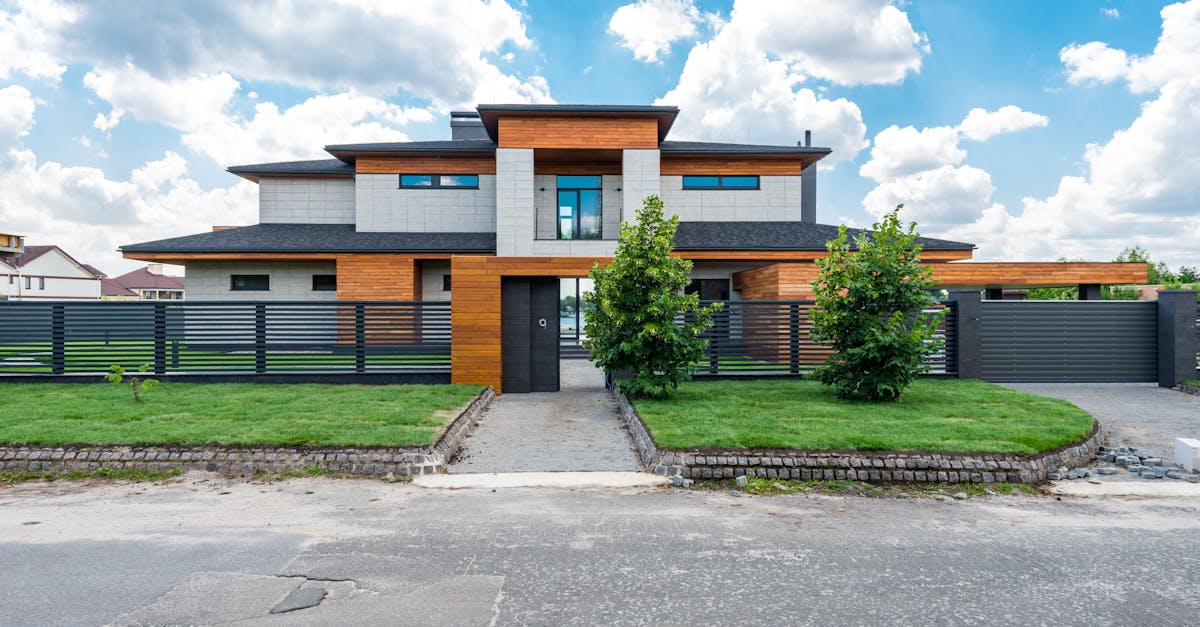
Innovations in Grant Programs for Eco-Friendly Homes
Table Of Contents
Impact of Eco-Friendly Homes on Property Value
Investing in eco-friendly homes often leads to an increase in property value. Sustainable building features, such as solar panels and energy-efficient appliances, appeal to a growing number of environmentally conscious buyers. Properties that demonstrate reduced energy costs and lower environmental impact are frequently positioned as more desirable in the market. As a result, homeowners can expect a solid return on their investment through heightened property values driven by these green enhancements.
The demand for sustainable living options continues to rise. Many buyers are now prioritising energy-efficient homes due to their long-term savings benefits and alignment with a more environmentally responsible lifestyle. This shift in consumer preference impacts property valuations positively, creating a competitive edge for eco-friendly homes over traditional counterparts. The real estate market is increasingly recognising the value added by sustainability, thus reinforcing the appeal of green innovations.
Long-Term Financial Benefits
Investing in eco-friendly homes often leads to significant long-term financial advantages for homeowners. Reduced utility bills are a primary benefit, as energy-efficient appliances and sustainable building materials lower energy consumption. Additionally, many governments offer incentives that further offset initial costs. Over time, these savings can accumulate, providing a solid return on investment.
Real estate market trends indicate that properties with sustainable features frequently maintain higher resale values. Eco-conscious buyers are increasingly prioritising energy efficiency and sustainability when purchasing homes. This demand can enhance property attractiveness, making eco-friendly homes a smart choice for those looking to maximise future resale potential. Homeowners can thus secure both immediate savings and long-term asset growth through eco-friendly investments.
Case Studies of Successful Grant Recipients
One notable example is a family in Queensland who transformed their outdated residence into a modern eco-home with the aid of a government grant. By integrating solar panels, rainwater tanks, and energy-efficient appliances, they significantly reduced their energy bills and carbon footprint. Their project not only enhanced their living environment but also increased the property's market value, showcasing the financial benefits of embracing sustainable building practices.
In another instance, a community housing project in New South Wales received funding to renovate several existing homes with eco-friendly materials and technologies. The initiative aimed to reduce energy consumption and promote sustainable living among low-income families. Residents reported improved comfort and reduced utility costs, while the project served as a model for other communities looking to implement similar upgrades. These case studies highlight the practical applications of grant funding in fostering eco-friendly innovations that benefit both homeowners and the environment.
Transformative Projects Across Australia
Across Australia, numerous projects exemplify the potential of eco-friendly homes to transform communities. For instance, a solar-powered residence in Melbourne not only reduced its carbon footprint but also served as a model for sustainable architecture and energy efficiency. By integrating rainwater harvesting systems and native landscaping, this project highlighted how thoughtful design can enhance both environmental and aesthetic appeal, inspiring surrounding homeowners to follow suit.
In Queensland, a series of community-led initiatives showcased the benefits of collaborative eco-friendly housing. One project involved a group of families coming together to create a sustainable neighbourhood with shared resources, such as communal gardens and solar panel installations. These efforts not only fostered a stronger sense of community but also led to significant reductions in utility costs, demonstrating the far-reaching impacts of embracing eco-conscious living.
Challenges Faced by Homeowners
Homeowners often encounter various obstacles when considering eco-friendly upgrades, especially within the realm of financing. Accessing grants can be a complex process, with requirements that are often difficult to navigate. Many potential applicants struggle with understanding eligibility criteria, and this confusion can lead to missed opportunities. Furthermore, homeowners may face financial constraints that hinder their ability to invest in sustainable improvements upfront, despite the long-term savings associated with such projects.
Another significant challenge involves the availability of reliable information regarding eco-friendly technologies and practices. Homeowners may find themselves overwhelmed by the plethora of options and inconsistent advice from different sources. This uncertainty can lead to suboptimal decisions that do not fully capitalise on potential energy savings or environmental benefits. Ultimately, a lack of robust support networks and resources leaves many homeowners hesitant to embark on eco-friendly renovations.
Navigating the Grant Application Process
Applying for eco-friendly home grants often requires meticulous preparation. Homeowners should first research the various programs available to understand eligibility requirements and funding limits. Each grant typically has specific conditions that need to be met, so it’s essential to gather documentation such as income statements, project plans, and architectural designs early in the process. Clear communication with grant authorities can clarify any uncertainties regarding applications.
Once the necessary information is collected, applicants should focus on crafting a compelling proposal. This document should succinctly outline the project’s goals and how they align with the grant’s objectives. Highlighting the environmental benefits and potential community impact can strengthen the application. Meeting deadlines and following submission guidelines is crucial, as any oversight can result in disqualification. Engaging with local eco-groups or consultants may provide additional insights and support for a successful outcome.
FAQS
What are eco-friendly homes?
Eco-friendly homes are residential properties designed and built with sustainability in mind, incorporating energy-efficient technologies, sustainable materials, and practices that reduce environmental impact.
How do eco-friendly homes impact property value?
Eco-friendly homes often see an increase in property value due to their energy efficiency, lower utility costs, and growing demand for sustainable living options among buyers.
What financial benefits can homeowners gain from eco-friendly home upgrades?
Homeowners can enjoy long-term financial benefits such as reduced energy bills, potential tax incentives, and increased property value from eco-friendly upgrades.
What types of grants are available for eco-friendly home projects in Australia?
Various grants are available, including government subsidies, low-interest loans, and programs specifically aimed at energy-efficient renovations and sustainable building practices.
What challenges do homeowners face when applying for grants for eco-friendly homes?
Homeowners may encounter challenges such as complex application processes, strict eligibility criteria, and the need for detailed project proposals, which can make the grant application process daunting.
Related Links
Understanding the Sunset Clause in Building GrantsImpact of Grants on Budgeting for Your New Home
How to Incorporate Grants into Your Financing Strategy
How to Apply for the First Home Loan Deposit Scheme
Eligibility Criteria for Regional Home Building Grants
Maximising Government Assistance for Sustainable Builds
The Role of HomeBuilder Grants in New Home Construction
Navigating State and Federal Building Incentives